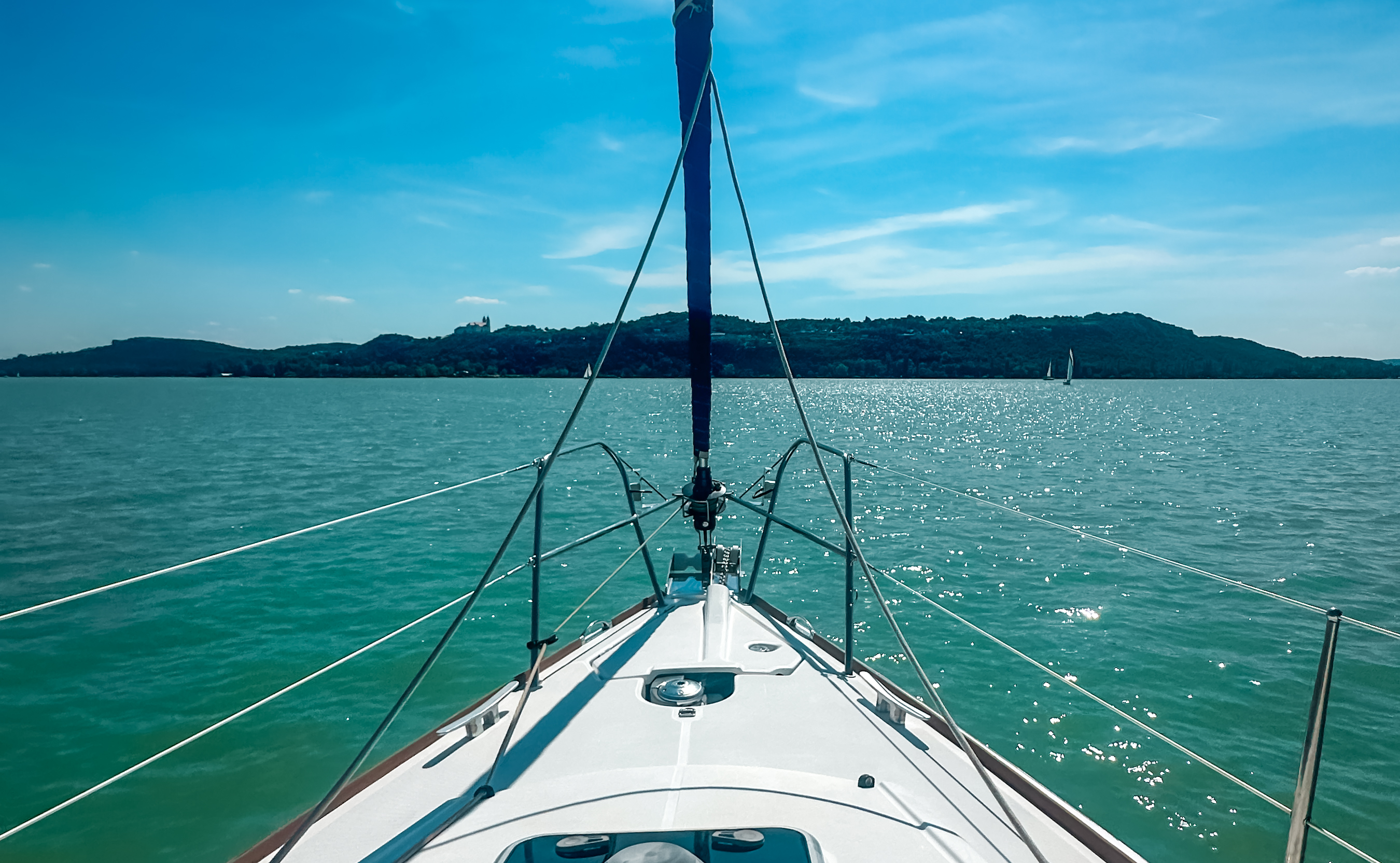
A Pinch of Balaton History
Lake Balaton, the largest lake in Central Europe, was formed over 20,000 years ago. Many believe it is the remnant of an ancient sea, but its formation is the result of much more complex and fascinating geological processes. Balatonalmádi, a town on the northern shore of the lake, holds a wealth of geological and historical treasures.
How Was Balaton Formed?
Around 15,000 years ago, massive tectonic forces literally tore apart the Earth's crust in this area. The Pannonian Basin was already undergoing intense transformation. Wind erosion and the melting waters of the Ice Age shaped the lake’s basin over millennia, while the Zala River fed its western end. This process created the Balaton as we know it today: 77 km long and 14 km wide.
Incredible Geological Past
Beneath Balatonalmádi lies 250-million-year-old red sandstone. This means the ground we stand on is 16,000 times older than the lake’s water. Under this Triassic-era rock stretches the young lake, creating a striking contrast in the timeline of natural history.
Balaton’s Economic and Cultural Significance
After stabilizing, the lake immediately played an important economic role:
- Fishing and Transportation: The shallow waters were ideal for the first fishing communities.
- Agriculture: The quickly warming water and microclimate allowed vineyards to flourish.
- Tourism: By the 19th century, Balatonalmádi and surrounding towns became popular health resorts.
Tihany and the First Written Hungarian Words
Tihany Abbey (1055) preserves the first written Hungarian words. King Andrew I’s founding charter included place names and Hungarian expressions, offering a glimpse into the language of a thousand years ago. The abbey is open to visitors, and walking along its corridors, you literally tread where medieval monks once walked.
Learn more about Tihany Abbey →
Why Is Balatonalmádi Special?
Balatonalmádi is located on the northern shore, where red sandstone cliffs provide stunning scenery and protection from northern winds. Thanks to the town’s microclimate and mineral-rich water, it became a popular health resort in the 19th century. The railway connection in 1909 further increased tourism, quickly boosting the modern tourist industry.
Sights and Tourist Opportunities in Balatonalmádi
- Walking paths winding among red sandstone cliffs offer breathtaking views of Lake Balaton.
- The lake’s shallow, warm waters are ideal for families and water sports enthusiasts.
- Tihany Abbey and other historical sights nearby.
- Wineries and gastronomy supported by the region’s microclimate.
- Balatonalmádi is an ideal starting point to explore the lake – among our accommodation options at Aranyeső Apartments, you are sure to find the one that suits your needs.
Summary
Balatonalmádi is not just a lakeside town: it is home to an array of geological, historical, and cultural treasures.
Triassic sandstone, Ice Age lake formation, volcanic formations, and a medieval abbey all meet in one place.
Every visit is not just a holiday—it’s a journey through time, spanning 250 million years of geological history and a thousand years of cultural heritage.
Did you find this interesting?
Share your thoughts with us!